-
Inspiration
-
Tailor-Made
- Tailor Made Holidays by Month
- Action & Adventure
- Adults Only
- All-Inclusive
- Culture
- Festive Breaks
- Islands
- Multi-Centre
- Overwater Bungalows
- Safari Beach
- Sailing
- Unusual & Unique
- Wildlife
- Winter Sun
-
Honeymoons
- Honeymoons By Month
- Adventure Lovers
- Beach Bliss
- Babymoons
- Familymoons
- Island Hopping
- Mini-Moons
- Overwater Bungalows
- Safari Beach
- Twin-Centre
- Unique Honeymoons
- Families
-
Special Occasions
- All-Inclusive
- Bucket List
- Big Birthdays
- Blow the Budget
- Once in a Lifetime
- Private Villas & Islands
- Wedding Anniversaries
-
Tailor-Made
-
Destinations
- Africa
- Australia & New Zealand
- Asia
- Canada
-
Caribbean
- Anguilla
- Antigua and Barbuda
- Barbados
- Bermuda
- British Virgin Islands
- Grenada
- Jamaica
- Saint Lucia
- Sint Eustatius
- St Barths
- St Kitts & Nevis
- St Vincent & The Grenadines
- Sailing the Caribbean
- Turks & Caicos
- Indian Ocean
- Mediterranean
- Mexico
- Middle East
- North America
- South Pacific
-
Honeymoons
- Honeymoons By Month
- Adventure Lovers
- Beach Bliss
- Babymoons
- Familymoons
- Island Hopping
- Mini-Moons
- Overwater Bungalows
- Safari Beach
- Twin Centre
- Unique Honeymoons
-
Offers
- Top Offers
- Last Minute
- Honeymoons
- Families
-
School Holidays
- Easter Holidays
- May Half Term
- Summer School Holidays
- October Half Term
- Festive Holidays
- February Half Term
- Festive
- Gift List
- Blog
-
About
- Our Brochures
- Our Story
- Our People
- Our Awards
- Our Reviews
- Our Community
- FAQ
- Booking Conditions
- Insurance
- Careers
- Contact
- Homepage
- Destinations
- Africa
- Kenya
- Masai Mara
Masai Mara
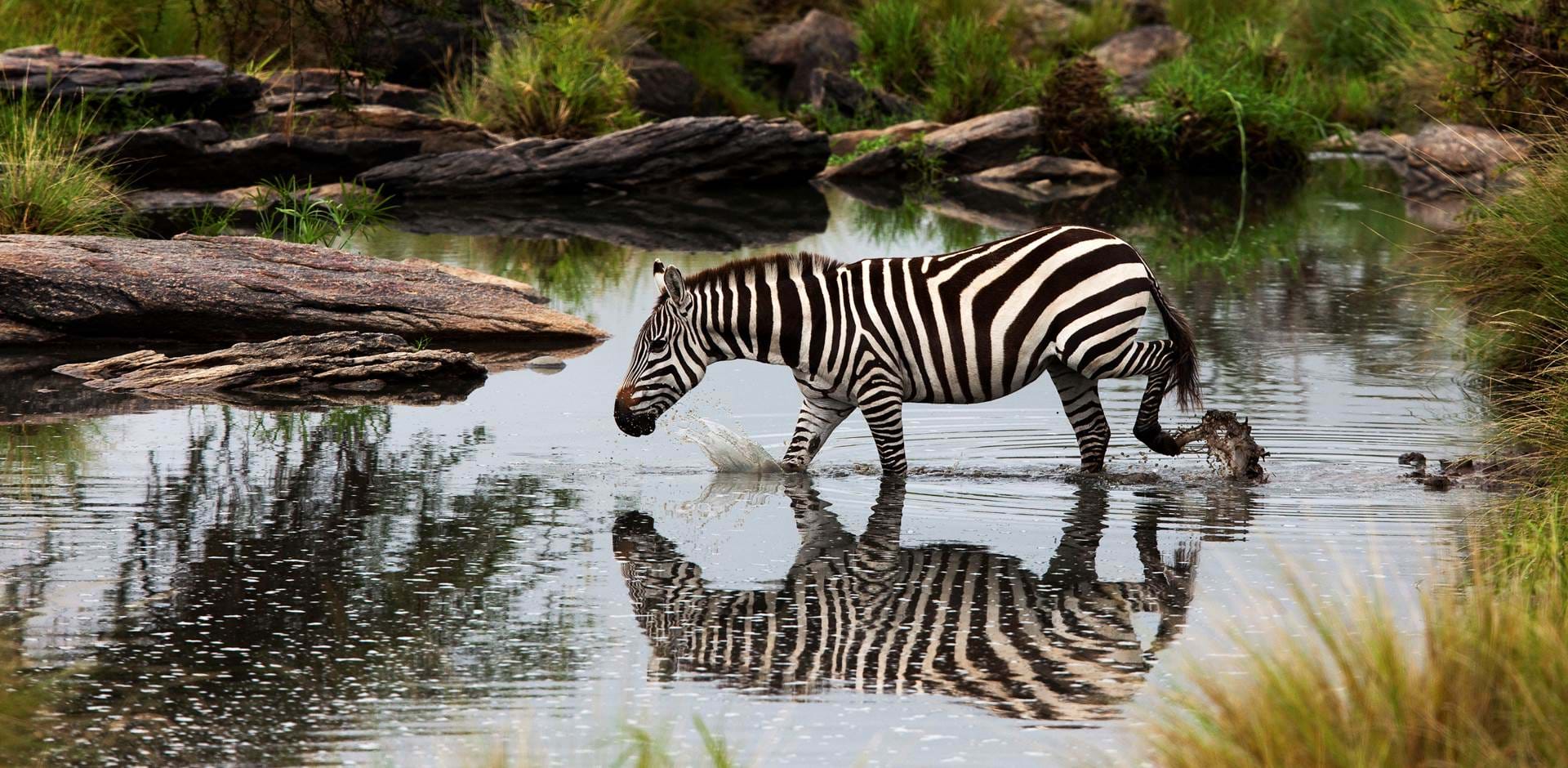
Each year the Mara plays host to the world’s greatest natural spectacle, the Great Migration which moves north from the Serengeti in July and August in search of fresh life-giving grass. A wildlife spectacle of more than 1.3 million wildebeest, together into a single massive herd, pours across the border into the Mara, making a magnificent entrance in a surging column of life that stretches from horizon to horizon. They return south in October before the rainy season. The Masai Mara, over 1,000 square miles of world famous National Park, also contains Africa’s largest population of lion in addition to large quantities of elephant, rhino, leopard and buffalo which go to make up the ‘Big Five’.
The Maasai are a strongly independent people who still value tradition and ritual as an integral part of their everyday lives. They regard themselves not just as residents of this area but that they are as much a part of the life of the land as the land is part of their lives. This unique co-existence of man and wildlife makes this Maasai land one of the world’s most unique wilderness regions.
The Mara is an awesome natural wonder, a place where Maasai warriors share the plains with hunting lions, a place of mighty herds and timeless cycles of life, death and regeneration.
Where to stay in Masai Mara
Best time to visit Masai Mara
The Great Migration
The Great Migration is often called the greatest wildlife spectacle on Earth. Each year, more than two million wildebeest, zebras, and gazelles travel in a continuous 1,000-kilometre circuit between the Serengeti in Tanzania and Kenya’s Masai Mara, following seasonal rains and fresh grazing.
The migration is a year-round phenomenon, but the most sought-after period is typically from July to September. This is when many of the herds move north and attempt to cross the Mara River, creating some of Africa’s most dramatic wildlife encounters.
The Mara River crossing is one of the most iconic moments of the Great Migration. Thousands of animals gather along the riverbanks before plunging into the water, where strong currents and large Nile crocodiles await. While spectacular, crossings are unpredictable and can happen at any time during the migration season.
No. The Great Migration is a natural wildlife phenomenon, and animal movements are influenced by rainfall, grazing conditions, and instinct. While we can maximise your chances by choosing the right locations and timing, no guide or operator can guarantee a river crossing.
Masai Mara National Reserve in Kenya, for the highest chance of witnessing river crossings, we our travel specialists will discuss with you camps or lodges located close to the Mara River.
The migration attracts visitors from around the world, particularly during the peak river-crossing months. However, experienced guides and our carefully selected lodges can make a significant difference. We work with properties and guides who know how to avoid the busiest areas and position guests for excellent wildlife viewing away from the crowds whenever possible.
Yes. The migration season is one of the best times to experience a hot air balloon safari. Watching vast herds spread across the plains from above offers a unique perspective and unforgettable photographic opportunities.
Absolutely. The huge concentration of herbivores attracts an equally impressive number of predators. Lions, leopards, cheetahs, hyenas, and crocodiles are all highly active during migration season, creating exceptional opportunities to witness dramatic hunting behaviour.
Migration season is one of the most popular times to visit East Africa. Lodges charge peak-season rates, and the best camps near the migration routes often sell out well in advance. We strongly recommend booking at least 12 months ahead, especially for travel between July and September.
Yes. While the migration is spectacular, it can also be fast-paced and busy. Many guests enjoy combining it with a more relaxed safari experience, such as:
- Staying in a private conservancy
- Visiting another national park or game reserve
- Adding a beach extension to the Kenyan coast
This creates a more balanced itinerary and showcases different sides of East Africa's incredible wildlife and landscapes.
Meet our Masai Mara Specialists

Sign up to our newsletter for the latest news and offers