Safari, as it was meant to be: Seringet Mara Camp & Okavango Explorers Camp
There is a particular kind of safari that feels different the moment you arrive. Fewer vehicles. Proper canvas. Lantern light instead of spotlights. Stories around the fire rather than background music.
Seringet Mara Camp in Kenya and Okavango Explorers Camp in Botswana both capture that older spirit of safari. Not in a staged way, but in a way that feels authentic and connected to the landscape around you.
Seringet Mara Camp, Masai Mara, Kenya
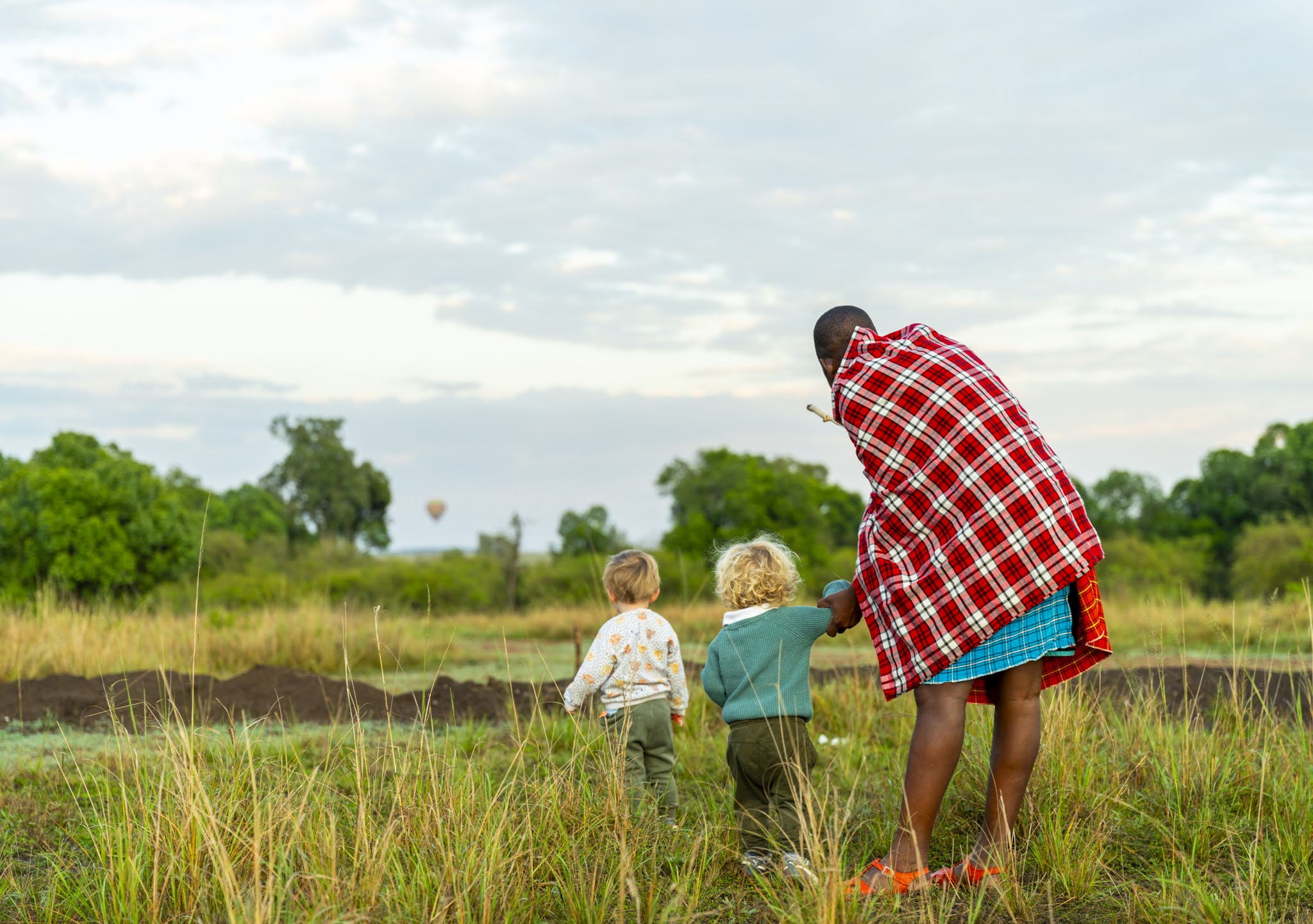
Tucked into indigenous riverine forest at the meeting point of the Mara and Talek Rivers, Seringet feels quietly hidden. You are surrounded by trees, but step out and the Mara Plains open wide in front of you.
The camp is owned and run by Nigel Archer, a fourth generation Kenyan whose father Tony helped shape modern safari in the 1950s. That history shows. There are just nine tents, including two family tents, designed to echo classic East African safaris. Canvas walls, campaign furniture and lantern light are paired with the comforts you actually want, including hot bucket showers, proper flush loos and solar power.
Wildlife viewing is excellent throughout the year and during the Great Migration the location offers close access to river crossings and herds moving across the plains. Even outside migration season this is big game country.
Life here follows a familiar rhythm. Early morning drives with breakfast in the bush, slow afternoons watching the light change, and sundowners under a tree with a G&T in hand. Dinner is communal, often under canvas or beneath the stars, lit by lanterns. Later, everyone drifts back to the firepit and conversations carry on into the night.
Okavango Explorers Camp, Okavango Delta, Botswana
If Seringet reflects the tradition of East Africa, Okavango Explorers Camp leans into the spirit of exploration. Designed by Dereck and Beverly Joubert, award winning filmmakers and long time National Geographic explorers, the camp sits in one of the most remote parts of the Okavango Delta at the meeting point of the upper Delta waterways and the Selinda Spillway.
There are just six large canvas tents set on raised wooden decks, each with mosquito net draped beds and wide verandahs looking over the bush. Campaign style furniture keeps the atmosphere simple and understated.
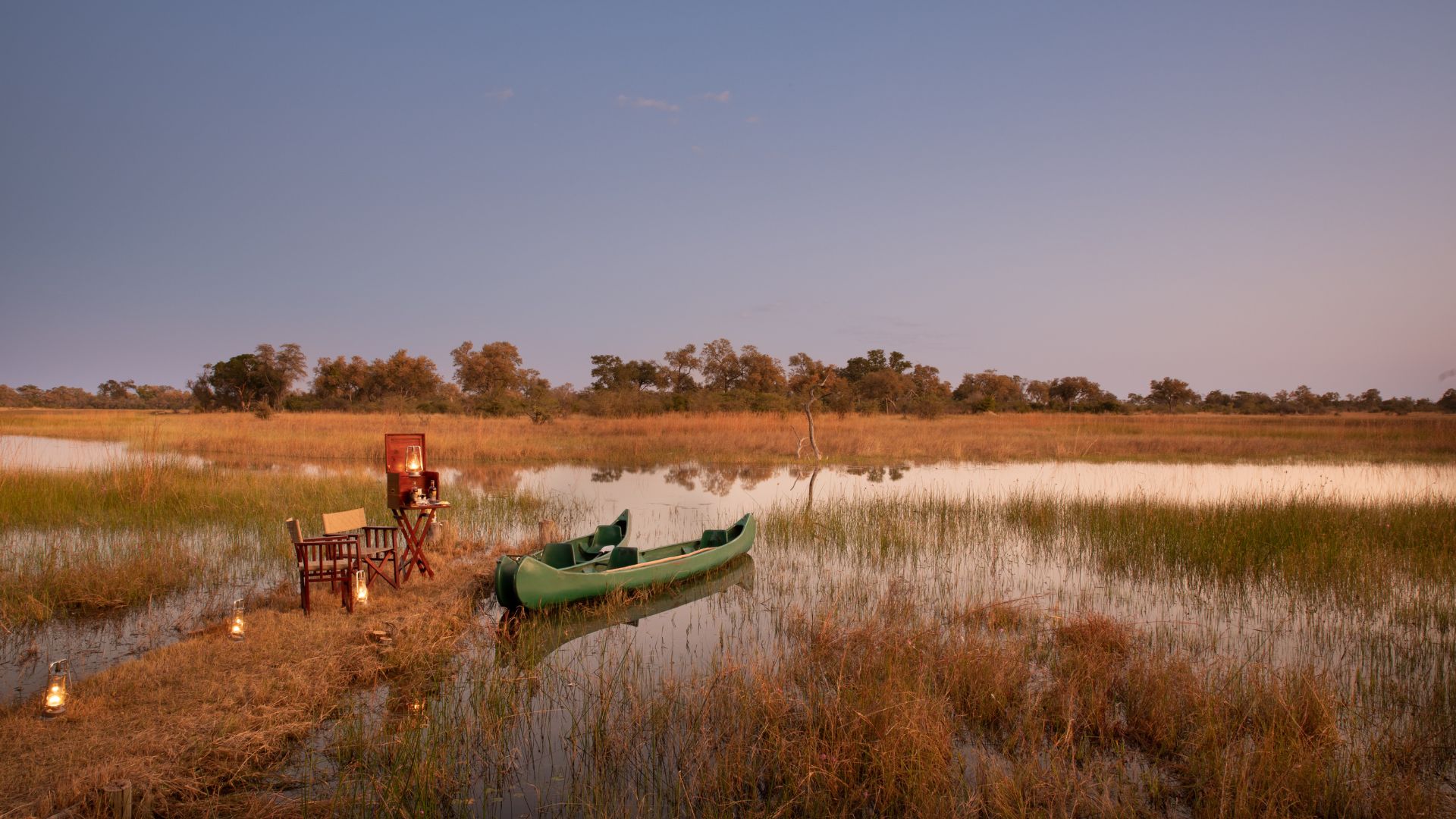
Wildlife moves freely through the area. Lion, leopard and wild dog are regularly seen, along with large herds of buffalo and giraffe. Game drives often continue after dark in search of nocturnal species and, depending on water levels, you can also explore by canoe.
The sense of remoteness is real. Few other vehicles, vast skies and long sunsets with no one else around. Dinner is either in the mess tent or outside under the stars, followed by the firepit and the familiar rhythm of safari conversation.
Why these camps still matter
Both camps remind you that safari does not need excess. It needs good guiding, the right location and a camp that feels part of its surroundings rather than separate from them.
Canvas instead of concrete. Wildlife first.
For travellers who want to experience the heart of safari, not just tick it off, these two camps quietly deliver exactly that.