Our Asia Product Manager, Rachel Gleave, spent time in Singapore in late 2025 and came back with a whole new perspective on the city.
I first visited Singapore around 25 years ago as a convenient stopover on the way to Australia. It felt safe, but honestly, a bit dull. Fast forward to now, and I’ve been back twice in one year and can’t believe it’s the same city. Singapore has completely reinvented itself. It’s no longer just somewhere to break a long flight but a destination in its own right, and a brilliant addition to so many trips around Asia.
My first return visit was for the Formula One, which was absolutely amazing. How lucky am I. The second was as a stop before heading on to Langkawi and Thailand, but that’s another story.
The Marina: Where the City Comes Alive
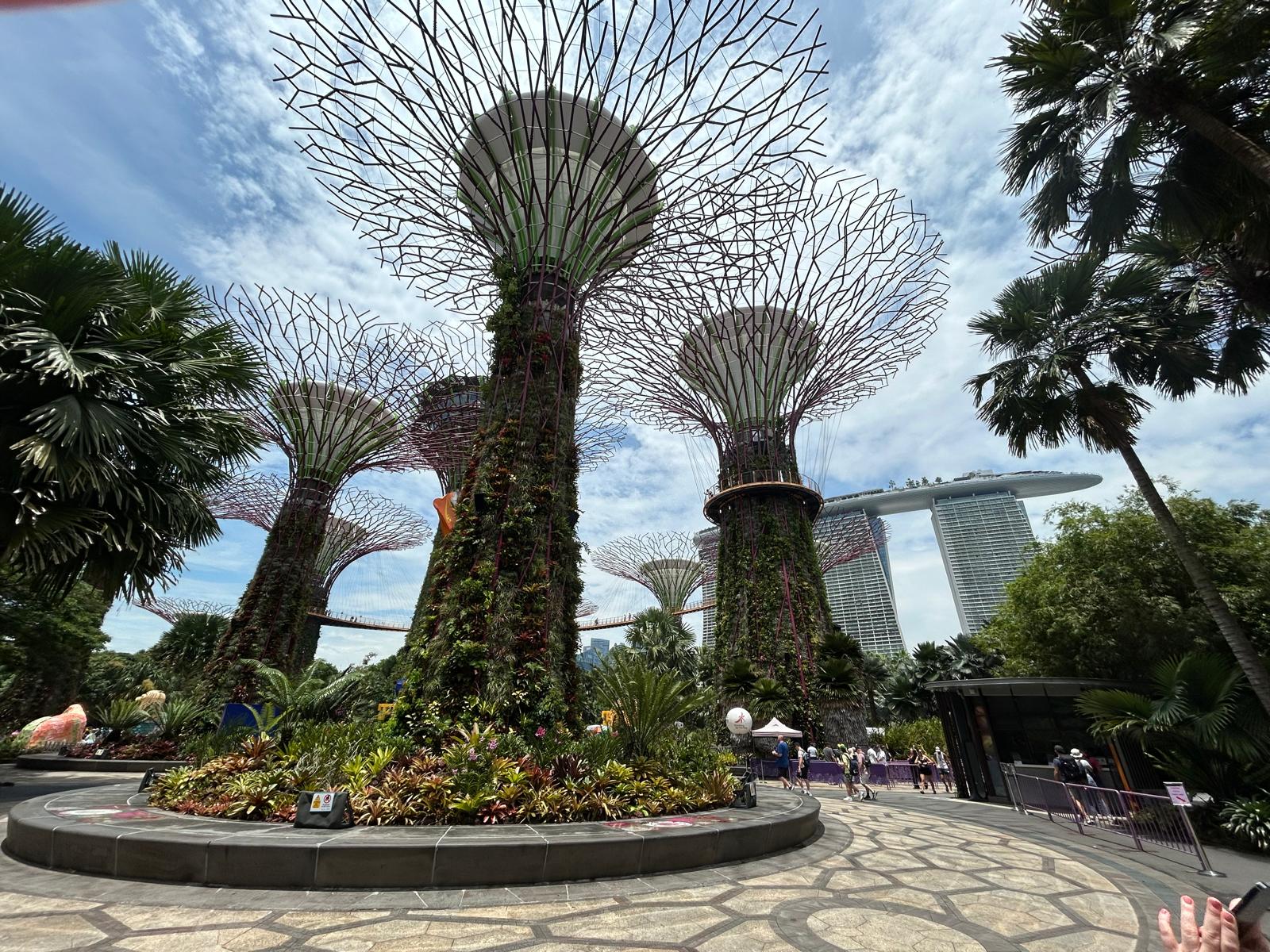
Singapore used to be all about shopping on Orchard Road, but today the real energy is down by the marina. The arrival of Marina Bay Sands, and behind it Gardens by the Bay and the Cloud Forest, has totally transformed this part of the city. The nightly light show brings everything to life, with incredible views from surrounding hotels, rooftop bars and top-notch restaurants. You could easily come here just for the food scene alone, from boojy cocktail bars to local hawker centres. One of the smartest things the Singapore government did was move street hawkers into clean, vibrant centres, so you can try any style of street food you like without worrying about hygiene or your stomach.
Formula One: A City Transformed at Night
Developing the Formula One was a stroke of genius. It’s now one of the best races in the world, and even more exciting as a night race through the city streets. The whole place takes on a festival atmosphere with live music and a real buzz. If you can, choose a hotel overlooking the track. You’ll pay through the nose, but it really is worth it.
Around the city, historic areas have been transformed into cool hangouts with pop-up shops and great dining. Dempsey Hill is a brilliant example, a cluster of old military barracks now filled with restaurants, cafés and bars in a leafy, park-like setting. Sentosa has also evolved, with beach clubs for weekend vibes, loads for families including Universal Studios, iFly, the oceanarium and waterpark, and some seriously luxurious hotels, from Capella to the new Raffles Sentosa with its stunning pool villas.
Discovering Singapore’s Layers of History
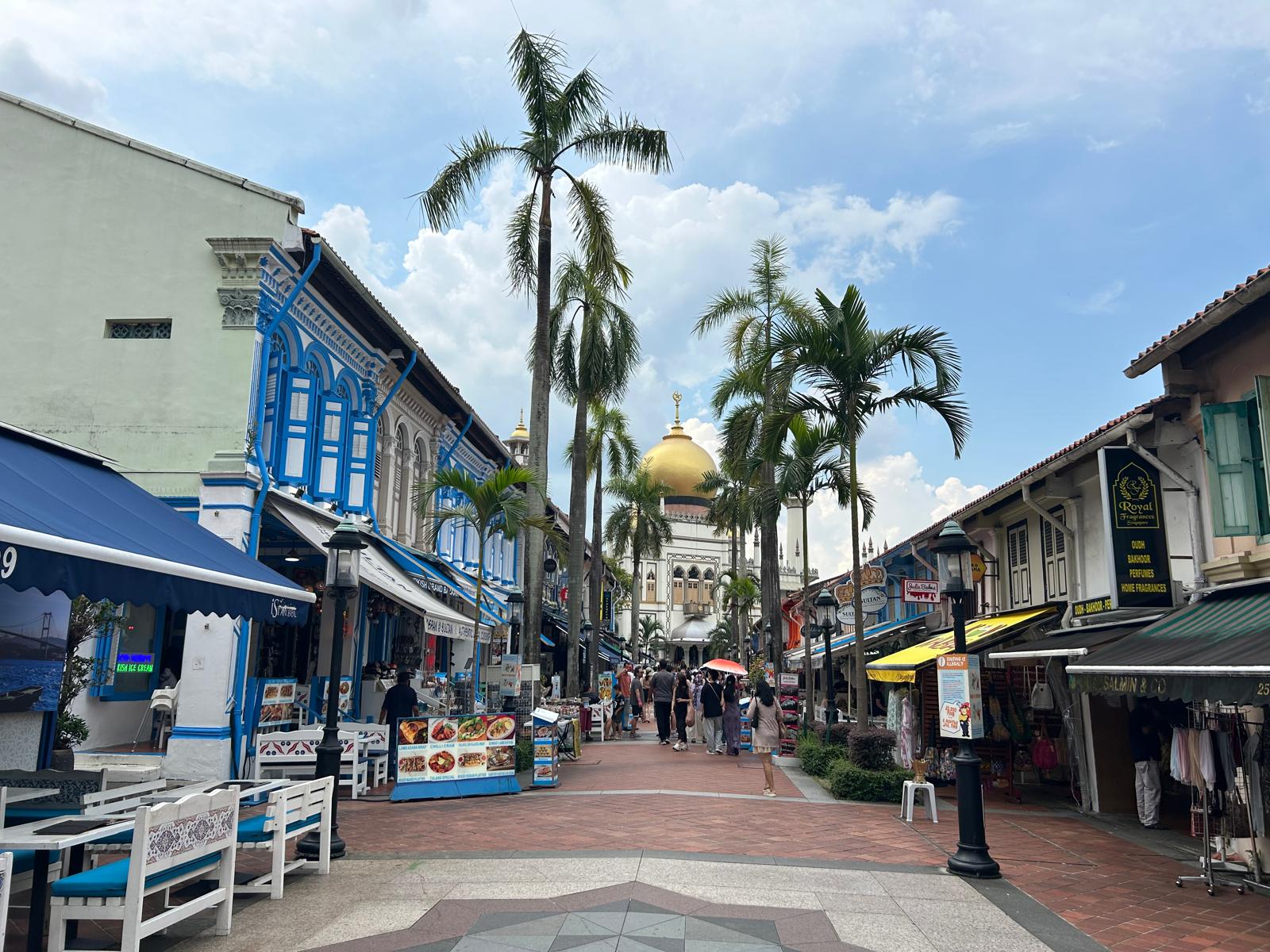
One of my biggest discoveries this time, though, was the city’s fascinating history. Learning how Singapore became Singapore, and exploring the historic districts that are still so beautifully preserved, is something I’d say is a must on any visit. Little India, Chinatown, Kampong Glam and the Arab Quarter are all wonderfully distinct, and then there’s the Peranakan quarter of Katong and Joo Chiat, a brilliantly local neighbourhood full of great bars and restaurants.
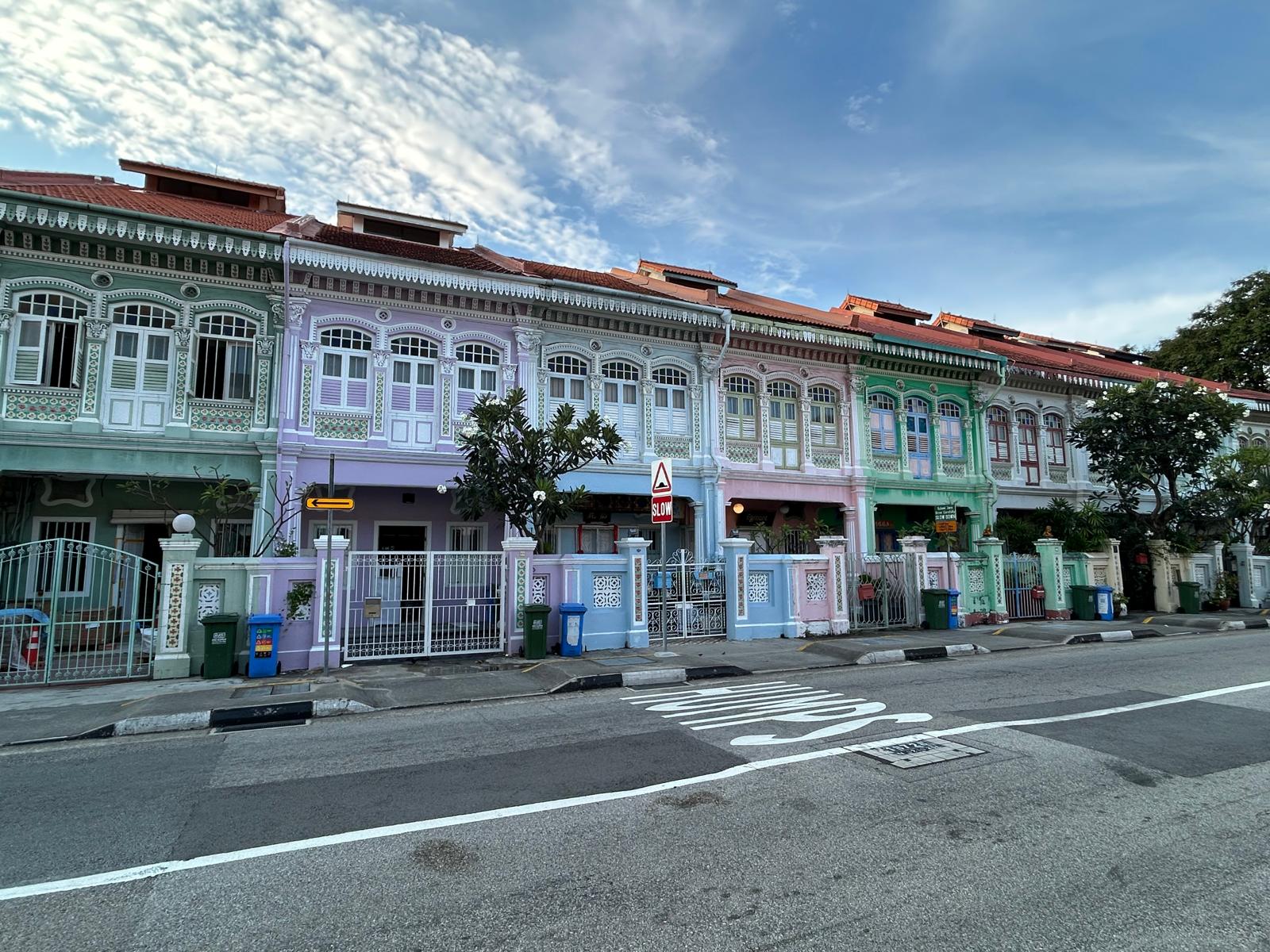
When Raffles first arrived, he had a very clear vision of what Singapore could become. He laid out the city by allocating different areas to different communities, and introduced early town planning rules that were incredibly forward-thinking for a tropical climate. Buildings had to include wide, continuous verandahs to provide shade, airflow and shelter from heavy rain. This led to what became known as the “five-foot way”, where verandahs ran continuously along the front of buildings so pedestrians could walk in shade and stay dry. You can still see this clearly today.
Then, in the late 1960s and 1970s, Lee Kuan Yew brought another exceptionally clear and pragmatic vision. With no natural resources and a vulnerable position, he believed Singapore had to be clean, efficient, corruption-free, economically indispensable and highly liveable. He often spoke of creating a “First World oasis in a Third World region”, focusing on greenery and tree planting, order and calm, high standards in public housing and education as the engine of everything. It was strict, but the results are extraordinary. Residents understand how special their city is and respect the rules. There’s no homelessness, everyone has a job and a home, and the balance between high-rises and green space is remarkable. Singapore really is a garden city, blending old and new in a way few places manage.
A Quieter, Greener Side of Singapore
Head to the other side of the island, before crossing into Malaysia, and you’ll find a completely different Singapore. Away from the skyscrapers it’s sleepy and quiet, with jungle, mangroves and waterways that supply much of the city’s water. This is where the night zoo, bird park and the new Mandai Forest Reserve are located, and it’s well worth a day, especially for families. Banyan Tree has also opened a luxury resort here, perfect for repeat visitors wanting to experience a different side of the city.
Getting Around the City
Getting around is incredibly easy. The entire city is linked by an underground MRT network that connects shopping malls, hotels, entertainment and office areas. Owning a car in Singapore is extremely expensive and restrictive, so most people don’t bother, and traffic jams are rare. You can explore independently, or we can arrange a guided tour with a local expert who really brings the stories of the city to life.
Where to Stay: Choosing the Right Location
Hotel-wise, there’s something for every taste and budget. One of the best locations is around the marina, where hotels look across to Marina Bay Sands and the skyline beyond. Interestingly, we usually discourage staying in Marina Bay Sands itself. With thousands of rooms it can feel quite impersonal. Instead, it’s far nicer to stay somewhere with views of it.
The Ritz-Carlton Millenia is a favourite, with every room offering a view. Choose a marina view and you can soak in the bath looking out over Marina Bay, complete with a bath menu and pillow menu. The club lounge is well worth the upgrade, with free-flowing champagne all day and views that are hard to beat. Next door, the Mandarin Oriental has my favourite city pool, where you can lie back on a sunlounger and look out over the marina. It feels like a luxury resort, right in the heart of the city, and both hotels are within easy walking distance of Gardens by the Bay, the river and the city centre.
Further around the bay, the boutique Fullerton Bay offers sumptuous suites with floor-to-ceiling windows and incredible views. Service is top class and intimate, and the rooftop pool and bar are hugely popular with locals for sunset drinks and the evening light show. It’s one of the best addresses in Singapore.
Then there’s Raffles, the original grand dame and one of the world’s great hotels. After a complete makeover it’s truly something special, with beautiful courtyards, luxurious suites and incredibly personal service, right down to a chocolate menu on arrival and a Singapore Sling in your suite. When you stay here, you don’t need to queue for the Long Bar, unless you want to for the atmosphere. I spent a night here and it felt like a real privilege. I loved the history and stories within the walls, and there’s even a complimentary evening history tour led by one of the resident historians.
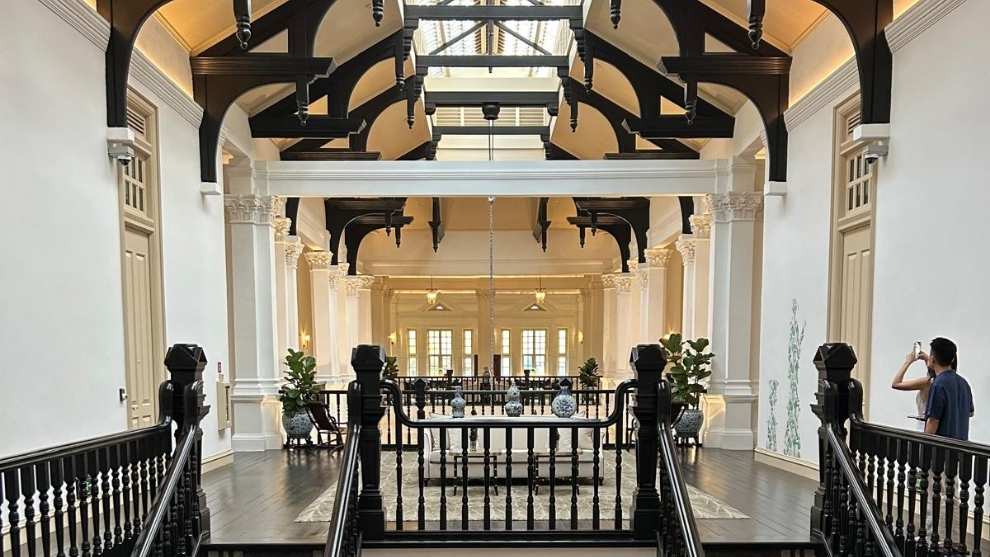
For something more local and boutique, The Warehouse is a real favourite. Set on the river in a converted warehouse with a fascinating past, it’s now a sleek, sophisticated hotel in a lovely neighbourhood where locals sit sipping cocktails by the water in the balmy evenings. It’s away from the more touristy parts of Clarke Quay and feels very authentic. Another great central option is Parkroyal Collection Pickering, an award-winning design hotel with dramatic greenery, comfortable modern rooms, a lovely pool and easy access to Chinatown and the river.
For me, Singapore is no longer just a convenient stop. It’s somewhere to build purposefully into a holiday. There’s so much to discover, easily enough for several days or even a week, or perhaps a stop on the way out and back, staying in a different part of the city each time.Bottom of Form