
-
Inspiration
-
Tailor-Made
- Tailor Made Holidays by Month
- Action & Adventure
- Adults Only
- All-Inclusive
- Culture
- Festive Breaks
- Islands
- Multi-Centre
- Overwater Bungalows
- Safari Beach
- Sailing
- Unusual & Unique
- Wildlife
- Winter Sun
-
Honeymoons
- Honeymoons By Month
- Adventure Lovers
- Beach Bliss
- Babymoons
- Familymoons
- Island Hopping
- Mini-Moons
- Overwater Bungalows
- Safari Beach
- Twin-Centre
- Unique Honeymoons
- Families
-
Special Occasions
- All-Inclusive
- Bucket List
- Big Birthdays
- Blow the Budget
- Once in a Lifetime
- Private Villas & Islands
- Wedding Anniversaries
-
Tailor-Made
-
Destinations
- Africa
- Australia & New Zealand
- Asia
- Canada
-
Caribbean
- Anguilla
- Antigua and Barbuda
- Barbados
- Bermuda
- British Virgin Islands
- Grenada
- Jamaica
- Saint Lucia
- Sint Eustatius
- St Barths
- St Kitts & Nevis
- St Vincent & The Grenadines
- Sailing the Caribbean
- Turks & Caicos
- Indian Ocean
- Mediterranean
- Mexico
- Middle East
- North America
- South Pacific
-
Honeymoons
- Honeymoons By Month
- Adventure Lovers
- Beach Bliss
- Babymoons
- Familymoons
- Island Hopping
- Mini-Moons
- Overwater Bungalows
- Safari Beach
- Twin Centre
- Unique Honeymoons
-
Offers
- Top Offers
- Last Minute
- Honeymoons
- Families
-
School Holidays
- Easter Holidays
- May Half Term
- Summer School Holidays
- October Half Term
- Festive Holidays
- February Half Term
- Festive
- Gift List
- Blog
-
About
- Our Brochures
- Our Story
- Our People
- Our Awards
- Our Reviews
- Our Community
- FAQ
- Booking Conditions
- Insurance
- Careers
- Contact
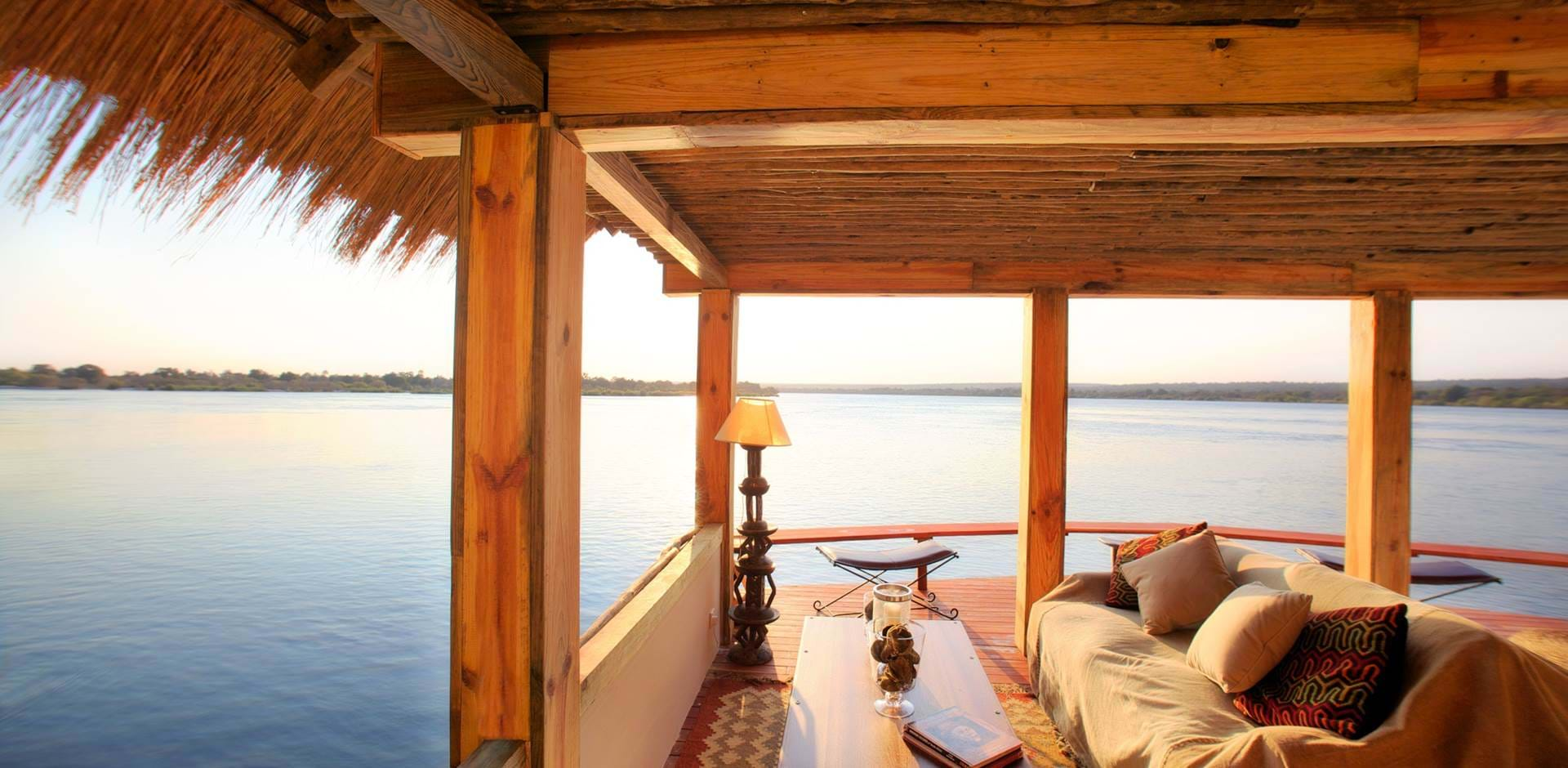
Victoria Falls
- Homepage
- Destinations
- Africa
- Zambia
- Victoria Falls
Zambia
Victoria Falls
The Victoria Falls, a UNESCO World Heritage Site, is the point where the Zambezi River reaches a width of 1.7km and crashes more than 100 metres into a chasm on the border of Zimbabwe and Zambia.
Accommodation
Where to stay in Victoria Falls
Weather
Best time to visit Victoria Falls
Specialists
Meet our Victoria Falls Specialists

Victoria Falls Journeys
Journeys
Discover the breathtaking beauty of Victoria Falls. Plan the journey of a lifetime today.
Stay in touch
Sign up to our newsletter for the latest news and offers